Skip to content

Up To 50%OFF

FREE SHIPPING $39+ & 30 DAYS RETURN

Search
  • SHOP
  • BEST SELLERS
  • BUNDLE SALE
  • TRAINING
  • TRACK YOUR ORDER
FitBeast丨Top Rated Home Gym Equipment for Every Level
Account Search Cart
  • SHOP Toggle menu
    • Shop by Category Toggle menu
      • Grip Strengtheners
      • Pull Up Bar
      • Exercise Bands
      • Massage Ball
      • Accessories
      • Clearance
    • Shop by Goal Toggle menu
      • Strength
      • Recovery & Relief
      • Yoga
      • Speed & Agility
    • Shop by Exercise Toggle menu
      • Hands Workout
      • Arms Workout
      • Core & Abdominal Workout
      • Legs Workout
  • BEST SELLERS
  • BUNDLE SALE
  • TRAINING Toggle menu
    • Quick Start
    • Exercise Library
    • 7-Day Plan
  • TRACK YOUR ORDER
Access Denied
IMPORTANT! If you’re a store owner, please make sure you have Customer accounts enabled in your Store Admin, as you have customer based locks set up with EasyLockdown app. Enable Customer Accounts
  1. FitBeast Right
  2. Home Gym Blog Right
  3. How to Train Pull Ups with Resistance Bands: A Comprehensive Guide

How to Train Pull Ups with Resistance Bands: A Comprehensive Guide

Why Use Resistance Bands for Pull Ups?

Pull ups are one of the most effective upper body exercises, targeting multiple muscle groups including the back, shoulders, and arms. However, they can be challenging, especially for beginners. This is where resistance bands come into play. Resistance bands provide assistance, making it easier to perform pull ups while still building strength and muscle. They are versatile, affordable, and perfect for home workouts.

Benefits of Training Pull Ups with Resistance Bands

Using resistance bands for pull ups offers several advantages. First, they help reduce the amount of body weight you need to lift, making the exercise more accessible. Second, they allow for a full range of motion, which is essential for muscle development. Third, resistance bands can be adjusted to provide varying levels of assistance, making them suitable for all fitness levels. Finally, they are portable and can be used anywhere, making them a convenient tool for consistent training.

Choosing the Right Resistance Band

Selecting the appropriate resistance band is crucial for effective training. Bands come in different levels of resistance, typically categorized by color. Lighter bands provide more assistance, while heavier bands offer less. Beginners should start with a lighter band and gradually progress to heavier ones as they build strength. It's also important to ensure the band is durable and can support your body weight safely.

Step-by-Step Guide to Training Pull Ups with Resistance Bands

Step 1: Set Up the Resistance Band

Start by attaching the resistance band to a pull up bar. Loop the band around the bar and pull one end through the other to secure it. Ensure the band is tightly secured to prevent slipping during the exercise.

Step 2: Position the Band for Assistance

Place one foot or knee into the loop of the resistance band. The band should provide enough tension to assist you in pulling yourself up. Make sure your grip on the bar is firm and your hands are shoulder-width apart.

Step 3: Perform the Pull Up

Engage your core and pull yourself up until your chin is above the bar. Focus on using your back and arm muscles rather than relying solely on the band. Lower yourself back down in a controlled manner to complete one repetition.

Step 4: Adjust the Resistance as Needed

As you get stronger, you can reduce the assistance provided by the band by switching to a lighter one or using less tension. This progression will help you eventually perform unassisted pull ups.

Tips for Effective Training

Consistency is key when training pull ups with resistance bands. Aim to incorporate this exercise into your routine at least 2-3 times per week. Focus on proper form to avoid injury and maximize results. Additionally, combine pull ups with other upper body exercises to create a well-rounded workout program. Don't forget to warm up before starting and stretch afterward to improve flexibility and reduce muscle soreness.

Common Mistakes to Avoid

One common mistake is relying too much on the resistance band and not engaging the target muscles. Ensure you are actively using your back and arms to pull yourself up. Another mistake is using a band that provides too much assistance, which can hinder progress. Gradually reduce the assistance as you get stronger. Lastly, avoid swinging or using momentum to complete the pull up, as this can lead to poor form and potential injury.

Advanced Techniques for Progression

Once you have mastered basic pull ups with resistance bands, you can challenge yourself with advanced techniques. Try performing negative pull ups, where you focus on the lowering phase of the exercise. You can also experiment with different grips, such as wide or narrow, to target different muscle groups. Another option is to increase the number of repetitions or sets to build endurance and strength.

Incorporating Resistance Bands into Your Workout Routine

Resistance bands are not just for pull ups; they can be used for a variety of exercises to enhance your overall fitness. Incorporate them into your warm-up, strength training, and even stretching routines. They are particularly useful for targeting smaller muscle groups that are often neglected. By adding resistance bands to your workouts, you can create a more dynamic and effective training program.

Tracking Your Progress

Keeping track of your progress is essential for staying motivated and achieving your fitness goals. Record the number of pull ups you can perform with and without the resistance band, as well as the level of resistance used. Over time, you should see improvements in your strength and ability to perform unassisted pull ups. Celebrate your milestones and set new challenges to keep pushing yourself.

Safety Considerations

While resistance bands are generally safe to use, it's important to take precautions to avoid injury. Always inspect the band for any signs of wear or damage before use. Ensure the pull up bar is securely mounted and can support your body weight. If you experience any pain or discomfort during the exercise, stop immediately and consult a fitness professional. Proper form and technique are crucial for preventing injuries and getting the most out of your workout.

Training pull ups with resistance bands is a game-changer for anyone looking to build upper body strength and master this challenging exercise. With the right approach, consistency, and dedication, you can achieve your fitness goals and enjoy the many benefits of pull ups. Start incorporating resistance bands into your routine today and take your workouts to the next level!

Share
  • Facebook Share on Facebook
  • Twitter Share on Twitter
  • Pinterest Pin it
May 26, 2025 — wangfred
Left Older Post Back to Home Gym Blog Newer Post Right

Leave a comment

Please note: comments must be approved before they are published.

Invalid password
Enter
  1. FitBeast Right
  2. Home Gym Blog Right
  3. How to Train Pull Ups with Resistance Bands: A Comprehensive Guide
FITBEAST

 service@fitbeastclub.com

 WhatsApp: +86 18038159034

J302, Jinhetian Business Center,
Shenzhen, Guangdong

FitBeast
Shop
  • Massage Ball
  • Grip Strengtheners
  • Pull Up Bar
  • Best Sellers
  • Clearance
  • All Products
Information
  • About Us
  • Contact Us
  • FAQs
  • Video Tutorial
  • Product User Manual
  • Track Your Order
  • Learn
Sign Up And Save

Subscribe to get 10% off for your first order and free giveaways.

  • Facebook
  • Youtube
  • Instagram
American Express Apple Pay Google Pay iDEAL Wero Mastercard PayPal Shop Pay Union Pay Visa
  • Shipping Policy
  • Return/Exchange Policy
  • Privacy policy
  • Terms of Service
© 2026 FitBeast. All rights reserved.
★ Reviews

Let customers speak for us

4321 reviews
Write a review
125%
(5393)
31%
(1331)
0%
(8)
0%
(8)
0%
(10)
181
14
K
FitBeast Forearm Strengthener & Forearm Exerciser, Wrist Roller with Thicker Handle
Katie W
Great addition to home gym

My husband and I built a home gym during covid and this is a great addition to our equipment. We already have good dumbbells, and this makes it very easy to get those forearms, wrists, and biceps.

User picture
D
FitBeast Forearm Strengthener & Forearm Exerciser, Wrist Roller with Thicker Handle
Dan R
Forearm Roller

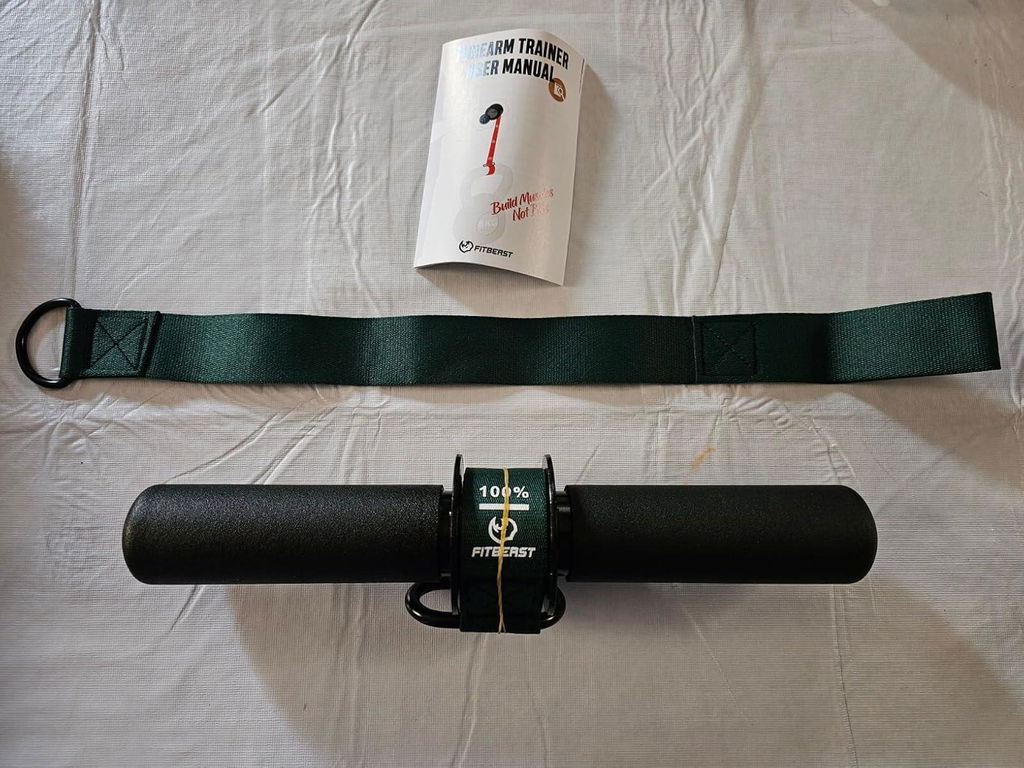
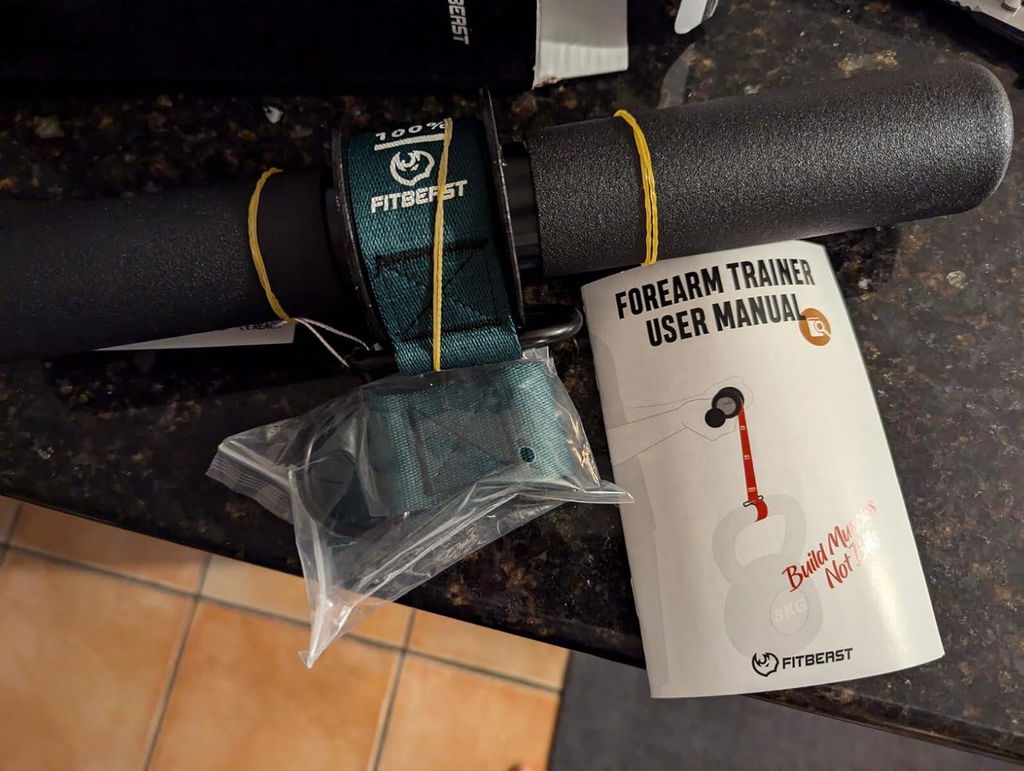
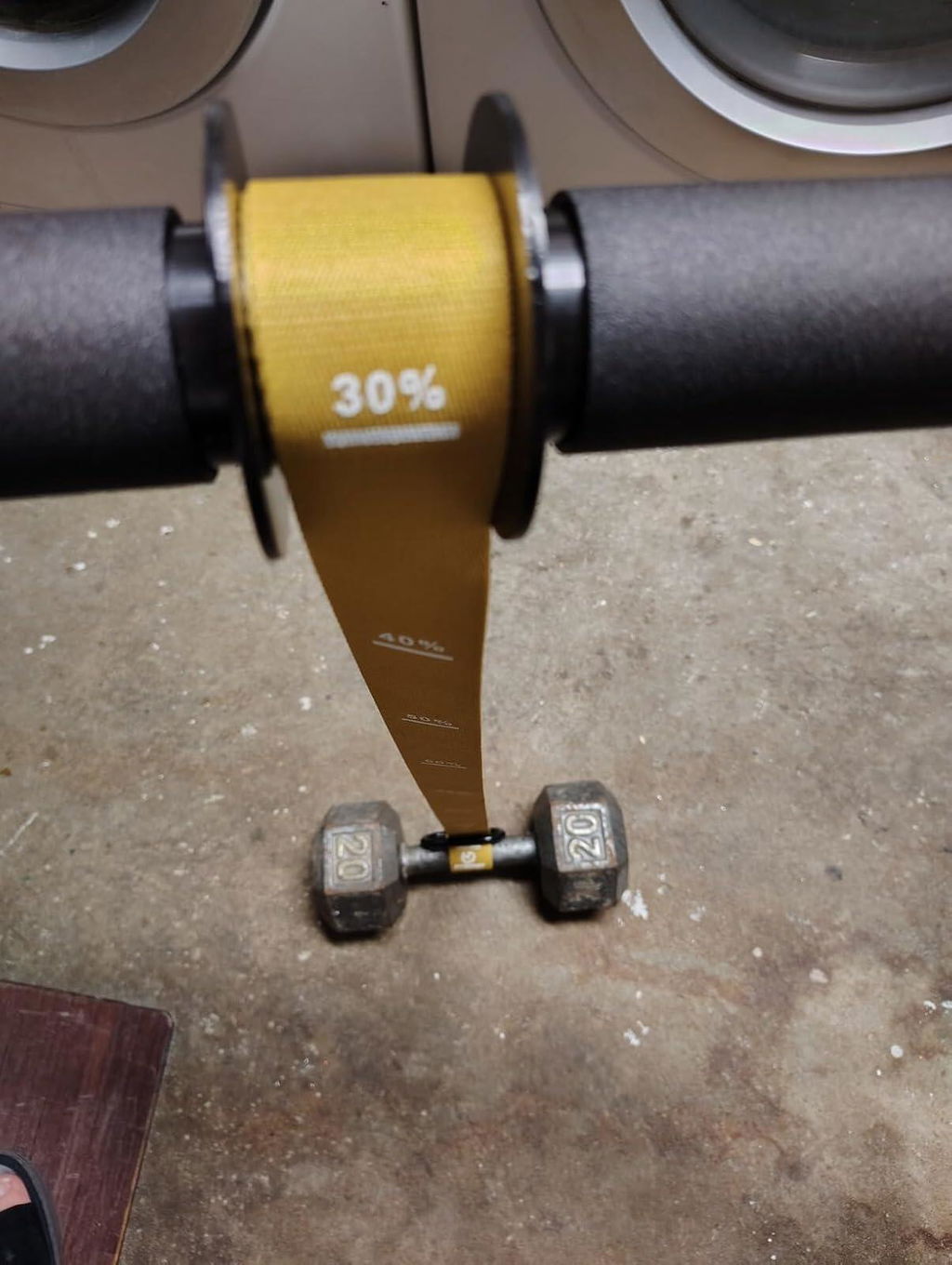
This forearm roller is beefy! It's got large, comfortable handles, and a a heavy duty strap, caribiner, and extension strap. It's a decent weight on its own, which adds a bit to whatever you are rolling. It's designed well with the strap securely fastened to the roller and the extension strap available to thread through for odd sized weights. This makes it versatile and easy to use with dumbell, kettlebells, plates, or other items. I dare say you could use a cinder block if need be! It's marked with percentages which I guess aid in tell you how close to fully wound you are? I'm not sure this is strictly necessary as its easy to see, but it doesn't hurt to have. Overall I'm very impressed with the build quality and absolutely think it's worth the money. Recommended for sure!

User picture
M
FitBeast Forearm Strengthener & Forearm Exerciser, Wrist Roller with Thicker Handle
Miranda M
Wrist roller with absolutely no complaints

This wrist roller is a game changer for arms day. And I don't think I've ever said this before but I can't think of anything I would change.

Pros: The handle grips a bigger around (thicker) than other versions I've seen. The texture on the grips gives your hands good traction, with or without gloves on. The extender strap is nice if you're going around something big, and if the extender makes the strap too long, you can just stand on a weight bench. The percentage marks on the strap was a surprise and made me chuckle, but I could see it being a legit need, like if you're counting reps and you can't quite get another full rep, you could record how close you got to completing that final rep. It comes with an instruction booklet that is well-written and has helpful images; it shows how to attach weights, how to use the extension, several exercise variations you can do and which muscles will be targeted. No sharp metal anywhere. Aluminum carabiner and D ring. Lightweight yet durable. It comes in a gift-able, attractive package.

Cons: None that I can think of. The only thing would be if any part of it breaks. It seems like solid construction so I don't think that's likely. But if it happens I'll come edit my review. I do wrist rollers almost every arm day, so this thing is about to get a lot of use.

Overall this is amazing and not just because it's replacing my homemade wooden dowel/parachute cord/climbing carabiner contraption that I've been using for years. Great value for the money imho. And a great gift idea.

User picture
E
FitBeast Forearm Strengthener & Forearm Exerciser, Wrist Roller with Thicker Handle
Eugene K.
Versatile

This is pretty handy for those forearm exercises you always neglected to do xD But honestly, this is versatile, and you can use this will all kinds of exercise equipment and even things around the house (backpack filled with bags of rice, water jugs, etc). COVID has made people look for exercise solutions at home, and this helps! there's a helpful instruction guide and an extra strap :)

User picture
W
FitBeast Forearm Strengthener & Forearm Exerciser, Wrist Roller with Thicker Handle
Wilkness
Simple and Very Effective

I've never tried one of these before, but have been having problems with my hands giving out before my back muscles on pull ups, so I thought I'd give this a try. I'm so glad I did. First couple sets with light weight absolutely you're me out. It will be great to be able to isolate those muscles to get them up to speed.

This particular unit is strong and well made. It's a simple design with quality materials and good stitching, so it'll probably last a long time. Large grip on the bar is definitely the way to go.

Highly recommend.

User picture
123