Passer au contenu

20 % DE RÉDUCTION sur les soldes du Black Friday - ACHETEZ MAINTENANT

LIVRAISON GRATUITE À PARTIR DE 49$ ET RETOUR SOUS 90 JOURS

Recherche
  • Boutique
  • BEST SELLERS
  • BUNDLE SALE
  • TRAINING
  • Suivre votre commande
FitBeast丨Top Rated Home Gym Equipment for Every Level
Compte Recherche Panier
  • Boutique Basculer le menu
    • Acheter par catégorie Basculer le menu
      • Renforceurs de préhension
      • Tractions
      • Bandes d'exercice
      • Balle de massage
      • Accessoires
      • Autorisation
    • Acheter par objectif Basculer le menu
      • Force
      • Récupération et soulagement
      • Yoga
      • Vitesse et agilité
    • Acheter par exercice Basculer le menu
      • Entraînement des mains
      • Entraînement des bras
      • Entraînement du tronc et des abdominaux
      • Entraînement des jambes
  • BEST SELLERS
  • BUNDLE SALE
  • TRAINING Basculer le menu
    • Quick Start
    • Exercise Library
    • 7-Day Plan
  • Suivre votre commande
Access Denied
IMPORTANT! If you’re a store owner, please make sure you have Customer accounts enabled in your Store Admin, as you have customer based locks set up with EasyLockdown app. Enable Customer Accounts
  1. FitBeast Droite
  2. Blog sur la salle de sport à domicile Droite
  3. How Does a Pull Up Bar Stay Up: The Science Behind Its Stability

How Does a Pull Up Bar Stay Up: The Science Behind Its Stability

Have you ever wondered how a pull up bar stays up, even when you’re hanging from it with all your weight? The answer lies in a combination of smart design, physics, and engineering. Whether you’re a fitness enthusiast or just curious about how things work, understanding the mechanics behind a pull up bar’s stability can be both fascinating and reassuring. Let’s dive into the details.

The Basics of Pull Up Bar Design

Pull up bars come in various designs, but they all share a common goal: to provide a stable and secure platform for upper body exercises. The most common types include doorframe-mounted bars, wall-mounted bars, and freestanding bars. Each type relies on different mechanisms to stay in place, but they all leverage principles of physics to ensure stability.

Doorframe-Mounted Pull Up Bars

Doorframe-mounted pull up bars are perhaps the most popular due to their convenience and ease of installation. These bars typically use a tension-based system to stay up. Here’s how it works:

  • Adjustable Arms: The bar features adjustable arms that extend to fit snugly within a doorframe. These arms are often padded to protect the doorframe and provide additional grip.
  • Friction and Pressure: Once the arms are extended, they create friction against the doorframe. The pressure exerted by the arms keeps the bar in place, even when weight is applied.
  • Weight Distribution: The design ensures that the weight is evenly distributed across the doorframe, preventing any single point from bearing too much stress.

This combination of friction, pressure, and weight distribution allows doorframe-mounted pull up bars to stay securely in place during use.

Wall-Mounted Pull Up Bars

Wall-mounted pull up bars are a more permanent solution, often used in home gyms or commercial fitness centers. These bars are bolted directly into the wall, providing a high level of stability. Here’s how they stay up:

  • Anchoring System: Wall-mounted bars are secured to the wall using heavy-duty bolts or screws. These anchors penetrate the wall studs, ensuring a strong and stable connection.
  • Load-Bearing Capacity: The wall itself acts as a load-bearing structure, capable of supporting the weight of the user. The bar is designed to distribute the weight evenly across the wall studs, minimizing stress on any single point.
  • Reinforcement: In some cases, additional reinforcement may be used to enhance stability, such as metal brackets or plates that spread the load over a larger area.

Because wall-mounted bars are fixed in place, they offer unparalleled stability and durability, making them a popular choice for serious fitness enthusiasts.

Freestanding Pull Up Bars

Freestanding pull up bars are a versatile option that doesn’t require installation on a doorframe or wall. These bars are self-supporting and rely on their own structure to stay up. Here’s how they work:

  • Base Design: Freestanding bars have a wide, stable base that provides a solid foundation. The base is often weighted to prevent tipping during use.
  • Center of Gravity: The design ensures that the center of gravity is low, which enhances stability. This is achieved by placing the weight of the bar and any additional weights near the base.
  • Material and Construction: Freestanding bars are typically made from durable materials like steel, which can withstand significant weight and stress. The construction is engineered to be robust and long-lasting.

Freestanding pull up bars are ideal for those who want a portable and versatile option, as they can be moved and used in different locations.

The Physics Behind Pull Up Bar Stability

Understanding the physics behind how a pull up bar stays up can provide deeper insight into its design and functionality. Several key principles come into play:

Friction and Normal Force

Friction is a critical factor in the stability of doorframe-mounted pull up bars. When the adjustable arms are extended, they press against the doorframe with a certain amount of force, known as the normal force. This normal force creates friction, which resists the movement of the bar. The greater the normal force, the greater the friction, and the more stable the bar becomes.

Leverage and Torque

Leverage and torque are also important considerations. When you hang from a pull up bar, your weight creates a torque that tries to rotate the bar. The design of the bar must counteract this torque to prevent it from tipping or slipping. This is achieved by ensuring that the bar’s arms are long enough to provide sufficient leverage and that the base or mounting system is stable enough to resist the rotational force.

Weight Distribution

Proper weight distribution is essential for the stability of any pull up bar. Whether it’s a doorframe-mounted, wall-mounted, or freestanding bar, the weight must be evenly distributed to prevent any single point from bearing too much stress. This is why doorframe-mounted bars have padded arms that spread the pressure across a larger area, and why freestanding bars have wide, weighted bases.

Safety Considerations

While pull up bars are generally safe when used correctly, it’s important to take certain precautions to ensure their stability and your safety:

  • Check the Weight Limit: Always check the weight limit of the pull up bar to ensure it can support your weight. Exceeding the weight limit can compromise the bar’s stability and lead to accidents.
  • Inspect the Bar Regularly: Regularly inspect the bar for any signs of wear or damage, such as cracks, rust, or loose bolts. Replace or repair any damaged components immediately.
  • Proper Installation: Ensure that the bar is installed correctly, whether it’s a doorframe-mounted, wall-mounted, or freestanding bar. Follow the manufacturer’s instructions carefully and double-check the stability before use.
  • Use on Stable Surfaces: If you’re using a freestanding bar, make sure it’s placed on a stable, level surface. Avoid using it on uneven or slippery surfaces that could cause the bar to tip.

By following these safety tips, you can enjoy a secure and effective workout with your pull up bar.

Conclusion

So, how does a pull up bar stay up? It’s a combination of smart design, physics, and engineering. Whether it’s the friction and pressure of a doorframe-mounted bar, the anchoring system of a wall-mounted bar, or the weighted base of a freestanding bar, each type leverages specific principles to ensure stability. Understanding these mechanics not only satisfies your curiosity but also helps you make informed decisions when choosing and using a pull up bar. Now that you know the science behind it, you can confidently incorporate pull up bars into your fitness routine, knowing they’re designed to stay securely in place.

Partager ceci:
  • Facebook Partager
  • Twitter Tweeter
  • Pinterest Épingler
05 août, 2025 — wangfred
La gauche Précédent Retour à Blog sur la salle de sport à domicile Suivant Droite

Laissez un commentaire

Veuillez noter que les commentaires doivent être approuvés avant d'être affichés

Invalid password
Enter
  1. FitBeast Droite
  2. Blog sur la salle de sport à domicile Droite
  3. How Does a Pull Up Bar Stay Up: The Science Behind Its Stability
FITBEAST

service@fitbeastclub.com

WhatsApp : +86 18038159034

J302, Centre d'affaires Jinhetian,
Shenzhen, Guangdong

FitBeast
Boutique
  • Balle de massage
  • Renforceurs de préhension
  • Barre de traction
  • Meilleures ventes
  • Autorisation
  • Tous les produits
Information
  • À propos de nous
  • Contactez-nous
  • FAQ
  • Tutoriel vidéo
  • Manuel d'utilisation du produit
  • Suivre votre commande
  • Apprendre
Inscrivez-vous et économisez

Abonnez-vous pour bénéficier de 10 % de réduction sur votre première commande et de cadeaux gratuits.

  • Facebook
  • Youtube
  • Instagram
American Express Apple Pay Google Pay iDEAL Wero Mastercard PayPal Shop Pay Union Pay Visa
  • Politique d'expédition
  • Politique de retour/échange
  • Politique de confidentialité
  • Conditions d'utilisation
© 2026 FitBeast. Commerce électronique propulsé par Shopify
★ Reviews

Let customers speak for us

4321 reviews
Write a review
125%
(5393)
31%
(1331)
0%
(8)
0%
(8)
0%
(10)
181
14
K
FitBeast Forearm Strengthener & Forearm Exerciser, Wrist Roller with Thicker Handle
Katie W
Great addition to home gym

My husband and I built a home gym during covid and this is a great addition to our equipment. We already have good dumbbells, and this makes it very easy to get those forearms, wrists, and biceps.

User picture
D
FitBeast Forearm Strengthener & Forearm Exerciser, Wrist Roller with Thicker Handle
Dan R
Forearm Roller

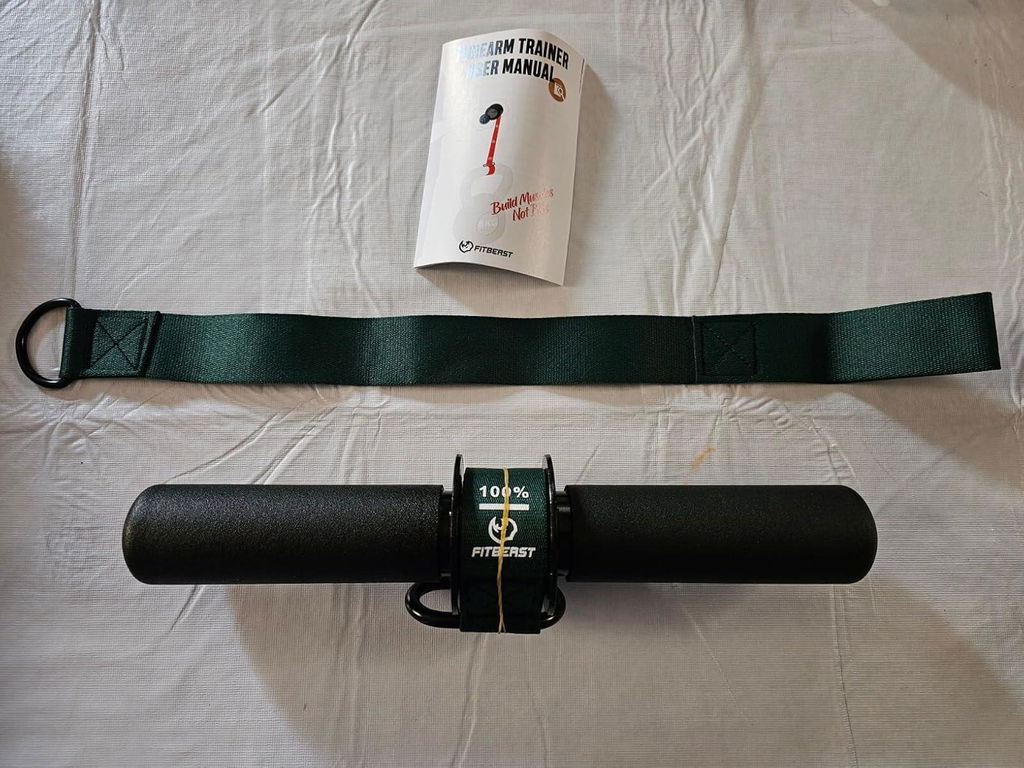
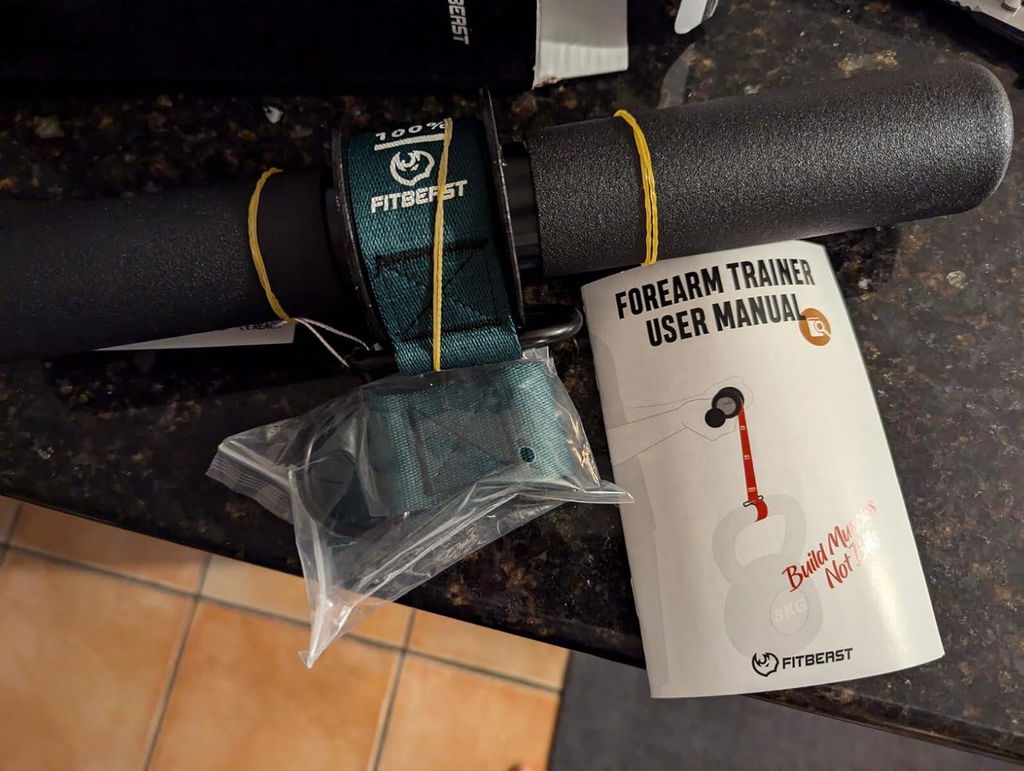
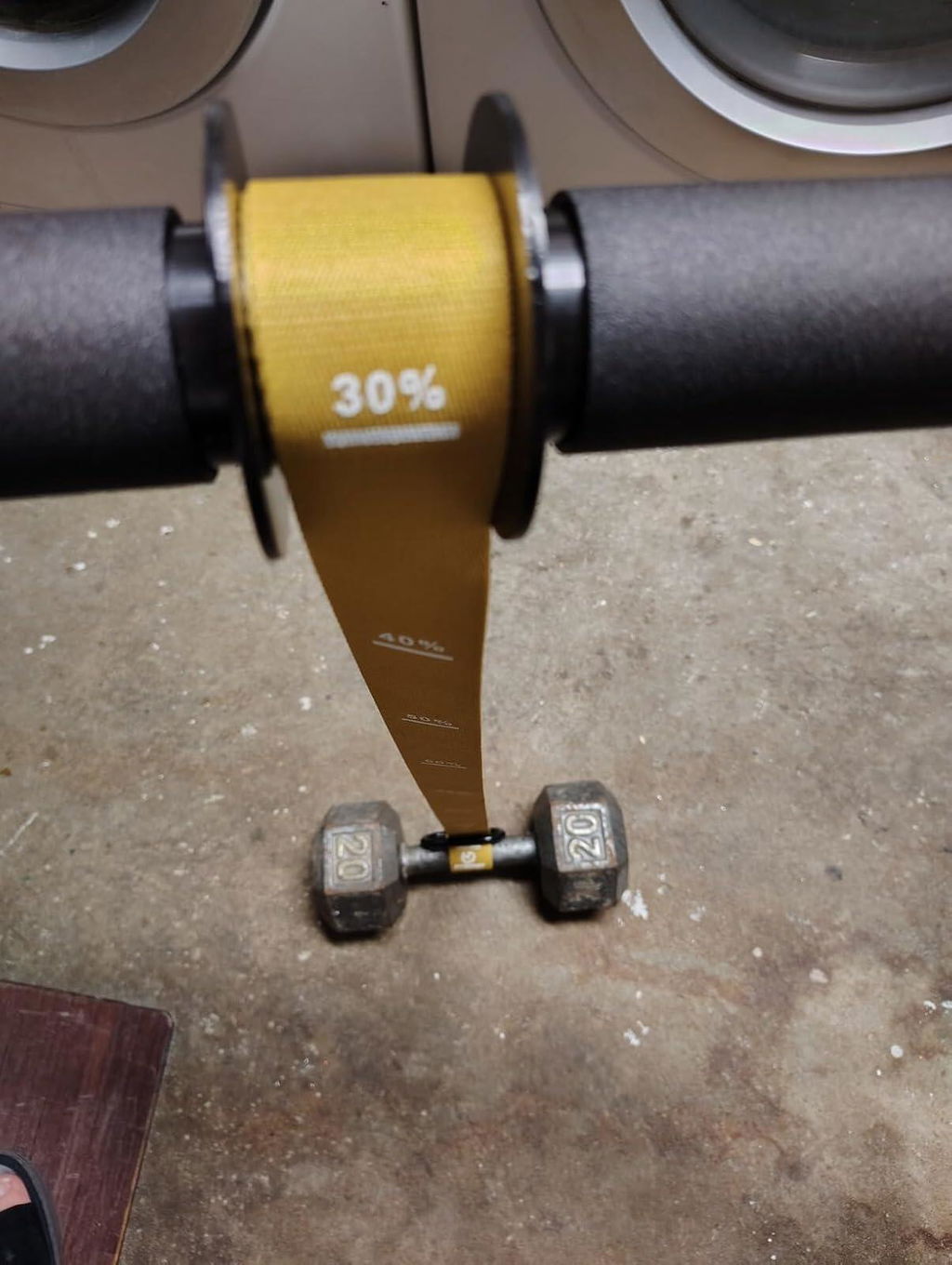
This forearm roller is beefy! It's got large, comfortable handles, and a a heavy duty strap, caribiner, and extension strap. It's a decent weight on its own, which adds a bit to whatever you are rolling. It's designed well with the strap securely fastened to the roller and the extension strap available to thread through for odd sized weights. This makes it versatile and easy to use with dumbell, kettlebells, plates, or other items. I dare say you could use a cinder block if need be! It's marked with percentages which I guess aid in tell you how close to fully wound you are? I'm not sure this is strictly necessary as its easy to see, but it doesn't hurt to have. Overall I'm very impressed with the build quality and absolutely think it's worth the money. Recommended for sure!

User picture
M
FitBeast Forearm Strengthener & Forearm Exerciser, Wrist Roller with Thicker Handle
Miranda M
Wrist roller with absolutely no complaints

This wrist roller is a game changer for arms day. And I don't think I've ever said this before but I can't think of anything I would change.

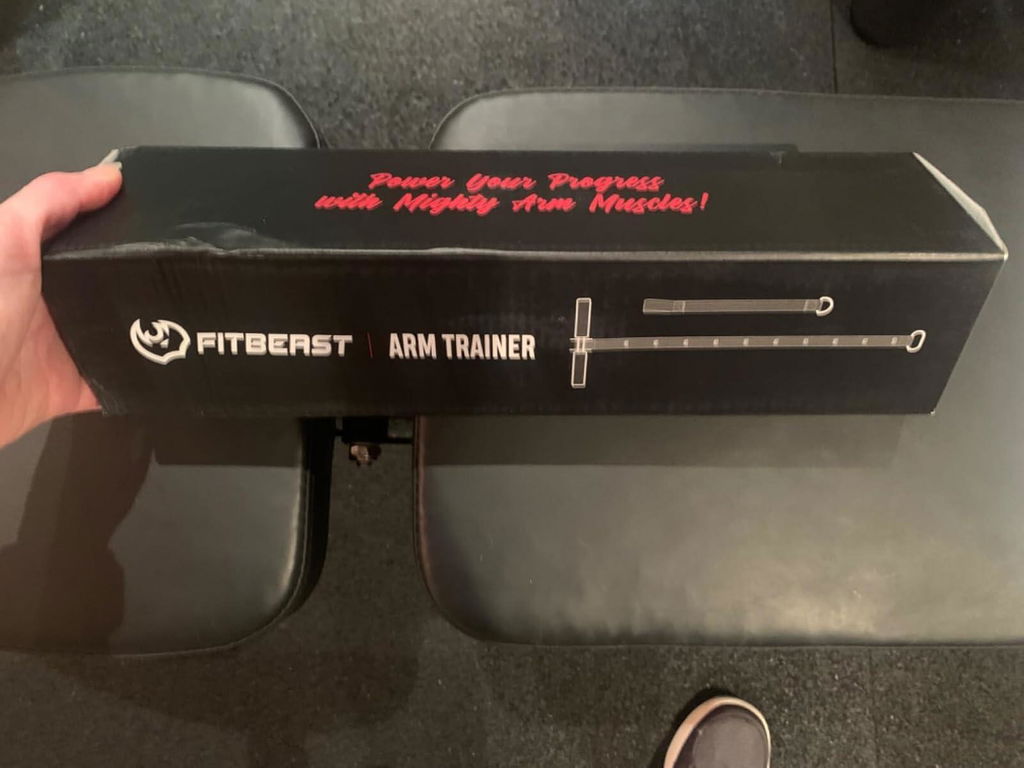
Pros: The handle grips a bigger around (thicker) than other versions I've seen. The texture on the grips gives your hands good traction, with or without gloves on. The extender strap is nice if you're going around something big, and if the extender makes the strap too long, you can just stand on a weight bench. The percentage marks on the strap was a surprise and made me chuckle, but I could see it being a legit need, like if you're counting reps and you can't quite get another full rep, you could record how close you got to completing that final rep. It comes with an instruction booklet that is well-written and has helpful images; it shows how to attach weights, how to use the extension, several exercise variations you can do and which muscles will be targeted. No sharp metal anywhere. Aluminum carabiner and D ring. Lightweight yet durable. It comes in a gift-able, attractive package.

Cons: None that I can think of. The only thing would be if any part of it breaks. It seems like solid construction so I don't think that's likely. But if it happens I'll come edit my review. I do wrist rollers almost every arm day, so this thing is about to get a lot of use.

Overall this is amazing and not just because it's replacing my homemade wooden dowel/parachute cord/climbing carabiner contraption that I've been using for years. Great value for the money imho. And a great gift idea.

User picture
E
FitBeast Forearm Strengthener & Forearm Exerciser, Wrist Roller with Thicker Handle
Eugene K.
Versatile

This is pretty handy for those forearm exercises you always neglected to do xD But honestly, this is versatile, and you can use this will all kinds of exercise equipment and even things around the house (backpack filled with bags of rice, water jugs, etc). COVID has made people look for exercise solutions at home, and this helps! there's a helpful instruction guide and an extra strap :)

User picture
W
FitBeast Forearm Strengthener & Forearm Exerciser, Wrist Roller with Thicker Handle
Wilkness
Simple and Very Effective

I've never tried one of these before, but have been having problems with my hands giving out before my back muscles on pull ups, so I thought I'd give this a try. I'm so glad I did. First couple sets with light weight absolutely you're me out. It will be great to be able to isolate those muscles to get them up to speed.

This particular unit is strong and well made. It's a simple design with quality materials and good stitching, so it'll probably last a long time. Large grip on the bar is definitely the way to go.

Highly recommend.

User picture
123