Skip to content

Up To 50%OFF

FREE SHIPPING $39+ & 30 DAYS RETURN

Search
  • SHOP
  • BEST SELLERS
  • BUNDLE SALE
  • TRAINING
  • TRACK YOUR ORDER
FitBeast丨Top Rated Home Gym Equipment for Every Level
Account Search Cart
  • SHOP Toggle menu
    • Shop by Category Toggle menu
      • Grip Strengtheners
      • Pull Up Bar
      • Exercise Bands
      • Massage Ball
      • Accessories
      • Clearance
    • Shop by Goal Toggle menu
      • Strength
      • Recovery & Relief
      • Yoga
      • Speed & Agility
    • Shop by Exercise Toggle menu
      • Hands Workout
      • Arms Workout
      • Core & Abdominal Workout
      • Legs Workout
  • BEST SELLERS
  • BUNDLE SALE
  • TRAINING Toggle menu
    • Quick Start
    • Exercise Library
    • 7-Day Plan
  • TRACK YOUR ORDER
Access Denied
IMPORTANT! If you’re a store owner, please make sure you have Customer accounts enabled in your Store Admin, as you have customer based locks set up with EasyLockdown app. Enable Customer Accounts
  1. FitBeast Right
  2. Home Gym Blog Right
  3. Difference Between Resistance Bands and Loops: A Comprehensive Guide

Difference Between Resistance Bands and Loops: A Comprehensive Guide

When it comes to fitness equipment, resistance bands and loops are two of the most versatile and accessible tools available. They are lightweight, portable, and can be used for a wide range of exercises. However, despite their similarities, resistance bands and loops are not the same. Understanding the difference between resistance bands and loops can help you make informed decisions about which tool is best suited for your fitness goals.

What Are Resistance Bands?

Resistance bands are long, elastic bands that come in various lengths, thicknesses, and resistance levels. They are typically used for strength training, stretching, and rehabilitation exercises. Resistance bands can be looped around objects, held by the hands, or anchored to a door or wall to provide resistance during workouts. They are ideal for exercises that require a full range of motion, such as bicep curls, shoulder presses, and squats.

What Are Resistance Loops?

Resistance loops, on the other hand, are shorter, circular bands that are designed to be placed around specific parts of the body, such as the thighs, ankles, or wrists. They are often used for lower body exercises, such as glute bridges, lateral walks, and clamshells. Resistance loops are particularly effective for targeting smaller muscle groups and improving stability and mobility. They are also commonly used in physical therapy to aid in recovery from injuries.

Key Differences Between Resistance Bands and Loops

One of the main differences between resistance bands and loops is their shape and size. Resistance bands are longer and more versatile, allowing for a wider range of exercises. Resistance loops, however, are more compact and are specifically designed for targeted muscle activation. Another key difference is the level of resistance they provide. Resistance bands typically offer a broader range of resistance levels, making them suitable for both beginners and advanced users. Resistance loops, on the other hand, usually provide a more consistent level of resistance, which is ideal for isolating specific muscle groups.

Benefits of Using Resistance Bands

Resistance bands offer several benefits that make them a popular choice among fitness enthusiasts. They are highly portable, making them easy to take with you wherever you go. They are also cost-effective, as they are generally more affordable than other types of fitness equipment. Additionally, resistance bands are versatile and can be used for a variety of exercises, making them suitable for full-body workouts. They are also gentle on the joints, making them a great option for individuals with joint pain or those recovering from injuries.

Benefits of Using Resistance Loops

Resistance loops are particularly beneficial for targeting specific muscle groups, especially in the lower body. They are excellent for improving strength, stability, and mobility, making them a valuable tool for both athletes and individuals recovering from injuries. Resistance loops are also easy to use and require minimal setup, making them a convenient option for quick workouts. Additionally, they are compact and lightweight, making them easy to store and transport.

How to Choose Between Resistance Bands and Loops

Choosing between resistance bands and loops depends on your fitness goals and the type of exercises you plan to do. If you are looking for a versatile tool that can be used for a wide range of exercises, resistance bands may be the better option. They are ideal for full-body workouts and can be used for both strength training and stretching. On the other hand, if you are focusing on lower body exercises or want to target specific muscle groups, resistance loops may be more suitable. They are particularly effective for improving stability and mobility and are often used in physical therapy.

Incorporating Resistance Bands and Loops into Your Workout Routine

Both resistance bands and loops can be easily incorporated into your workout routine. For resistance bands, you can use them for exercises such as bicep curls, shoulder presses, and squats. You can also use them for stretching exercises to improve flexibility. For resistance loops, you can use them for lower body exercises such as glute bridges, lateral walks, and clamshells. You can also use them for upper body exercises by placing them around your wrists or forearms. By incorporating both resistance bands and loops into your routine, you can create a well-rounded workout that targets all major muscle groups.

Safety Tips for Using Resistance Bands and Loops

When using resistance bands and loops, it is important to follow safety guidelines to prevent injuries. Always check the bands and loops for any signs of wear and tear before using them. Make sure to use the appropriate level of resistance for your fitness level and avoid overstretching the bands or loops. Additionally, ensure that you are using proper form during exercises to avoid strain on your muscles and joints. If you are new to using resistance bands or loops, consider working with a fitness professional to learn the correct techniques.

Understanding the difference between resistance bands and loops can help you make the most of your workouts. Whether you choose resistance bands for their versatility or resistance loops for their targeted muscle activation, both tools offer unique benefits that can enhance your fitness routine. By incorporating them into your workouts and following safety guidelines, you can achieve your fitness goals and improve your overall health and well-being.

Share
  • Facebook Share on Facebook
  • Twitter Share on Twitter
  • Pinterest Pin it
juli 21, 2025 — wangfred
Left Older Post Back to Home Gym Blog Newer Post Right

Leave a comment

Please note: comments must be approved before they are published.

Invalid password
Enter
  1. FitBeast Right
  2. Home Gym Blog Right
  3. Difference Between Resistance Bands and Loops: A Comprehensive Guide
FITBEAST

 service@fitbeastclub.com

 WhatsApp: +86 18038159034

J302, Jinhetian Business Center,
Shenzhen, Guangdong

FitBeast
Shop
  • Massage Ball
  • Grip Strengtheners
  • Pull Up Bar
  • Best Sellers
  • Clearance
  • All Products
Information
  • About Us
  • Contact Us
  • FAQs
  • Video Tutorial
  • Product User Manual
  • Track Your Order
  • Learn
Sign Up And Save

Subscribe to get 10% off for your first order and free giveaways.

  • Facebook
  • Youtube
  • Instagram
American Express Apple Pay Google Pay iDEAL Wero Mastercard PayPal Shop Pay Union Pay Visa
  • Shipping Policy
  • Return/Exchange Policy
  • Privacy policy
  • Terms of Service
© 2026 FitBeast. Powered by Shopify
★ Reviews

Let customers speak for us

4321 reviews
Write a review
125%
(5393)
31%
(1331)
0%
(8)
0%
(8)
0%
(10)
181
14
K
FitBeast Forearm Strengthener & Forearm Exerciser, Wrist Roller with Thicker Handle
Katie W
Great addition to home gym

My husband and I built a home gym during covid and this is a great addition to our equipment. We already have good dumbbells, and this makes it very easy to get those forearms, wrists, and biceps.

User picture
D
FitBeast Forearm Strengthener & Forearm Exerciser, Wrist Roller with Thicker Handle
Dan R
Forearm Roller

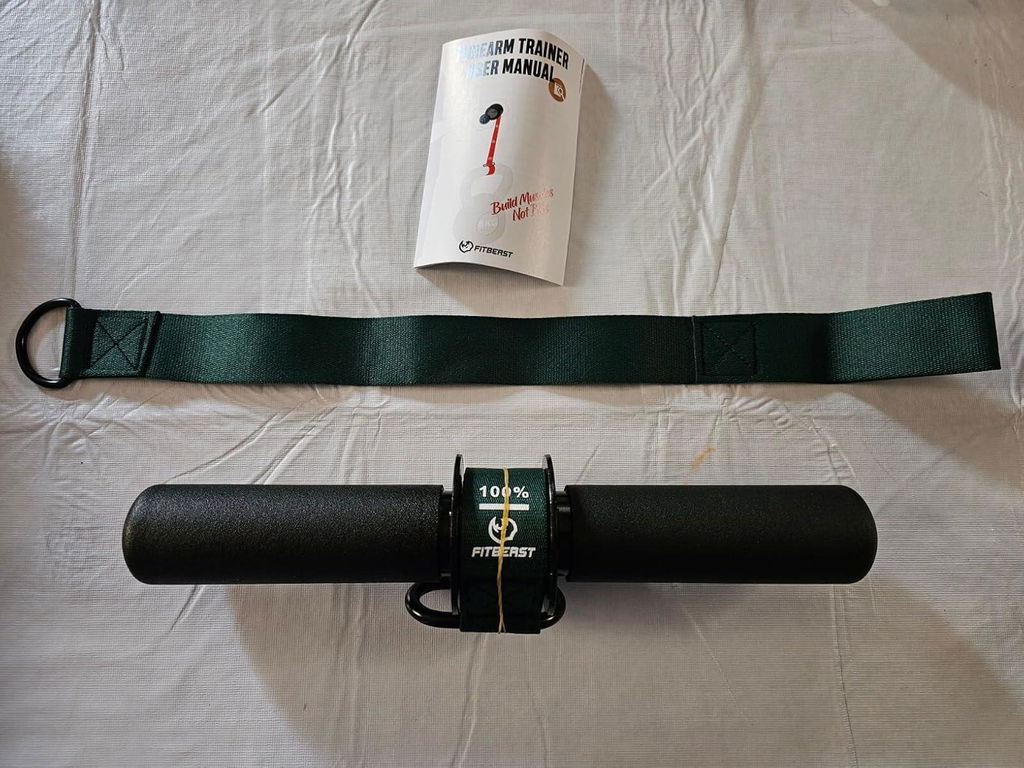
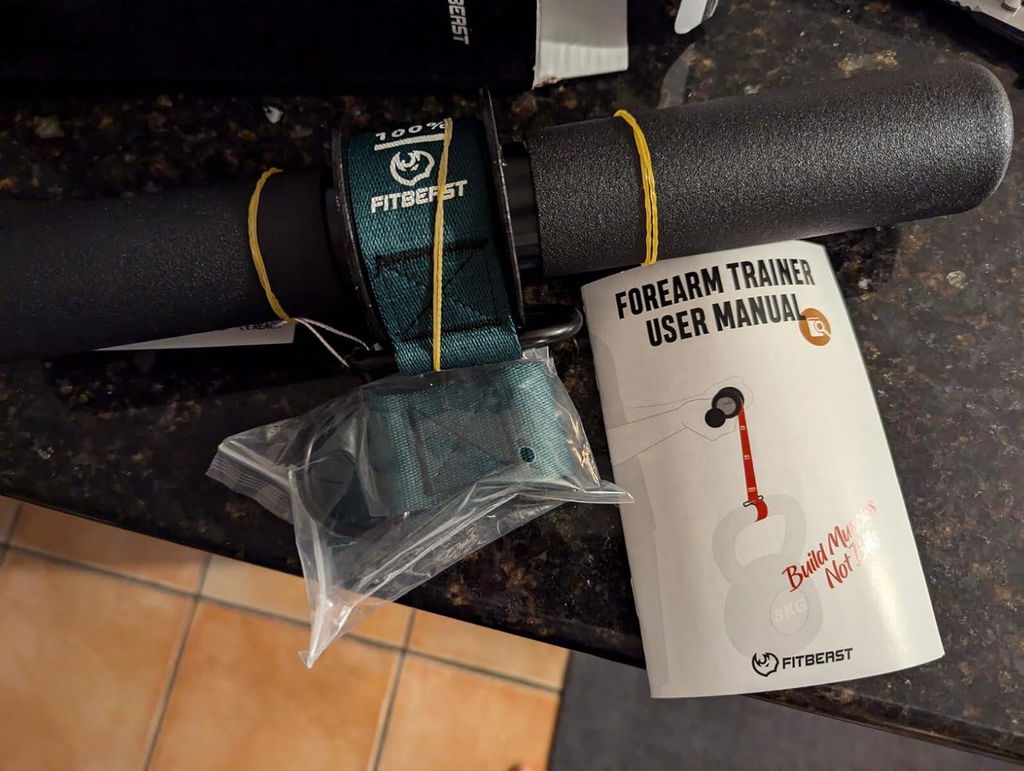
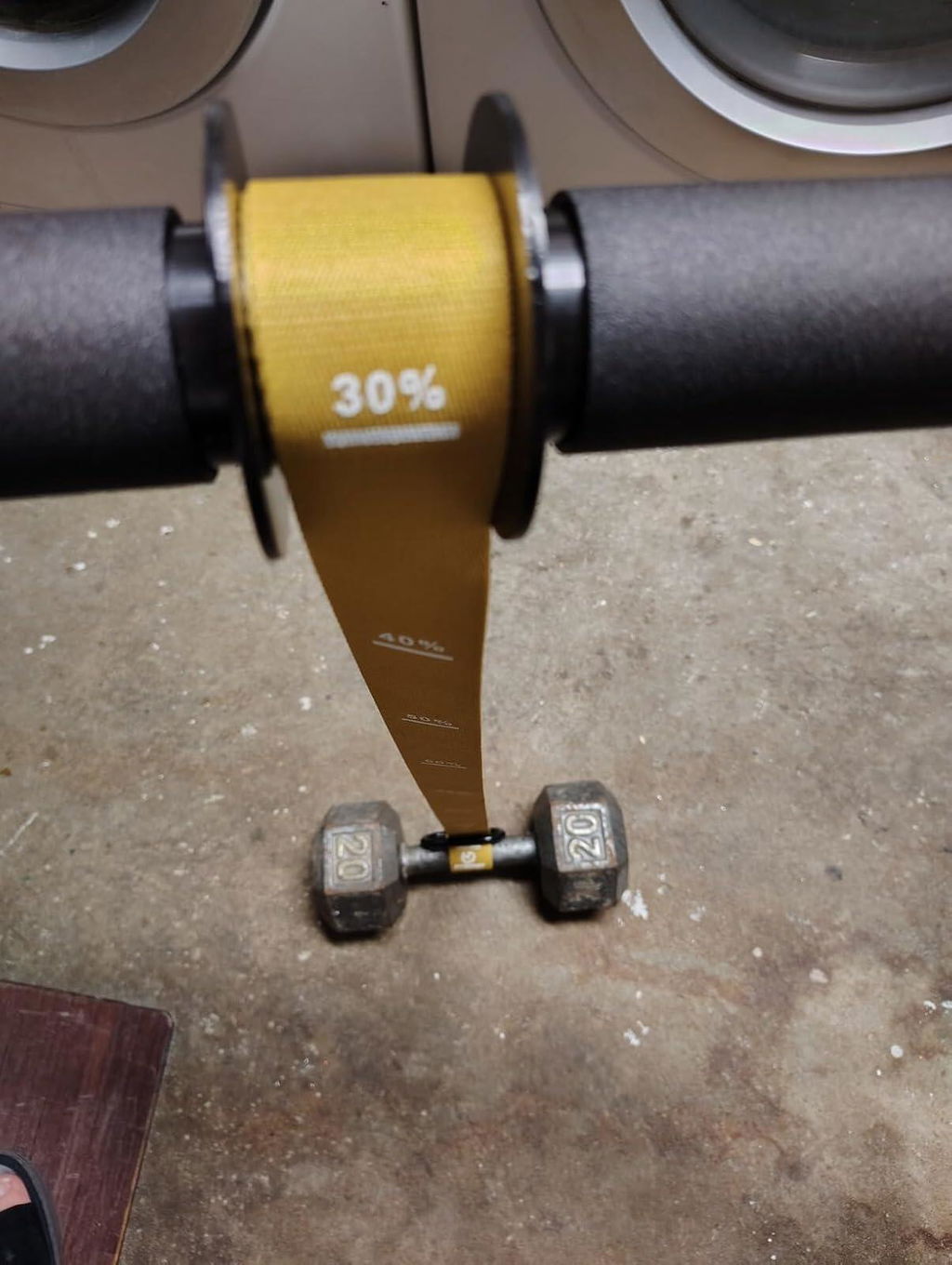
This forearm roller is beefy! It's got large, comfortable handles, and a a heavy duty strap, caribiner, and extension strap. It's a decent weight on its own, which adds a bit to whatever you are rolling. It's designed well with the strap securely fastened to the roller and the extension strap available to thread through for odd sized weights. This makes it versatile and easy to use with dumbell, kettlebells, plates, or other items. I dare say you could use a cinder block if need be! It's marked with percentages which I guess aid in tell you how close to fully wound you are? I'm not sure this is strictly necessary as its easy to see, but it doesn't hurt to have. Overall I'm very impressed with the build quality and absolutely think it's worth the money. Recommended for sure!

User picture
M
FitBeast Forearm Strengthener & Forearm Exerciser, Wrist Roller with Thicker Handle
Miranda M
Wrist roller with absolutely no complaints

This wrist roller is a game changer for arms day. And I don't think I've ever said this before but I can't think of anything I would change.

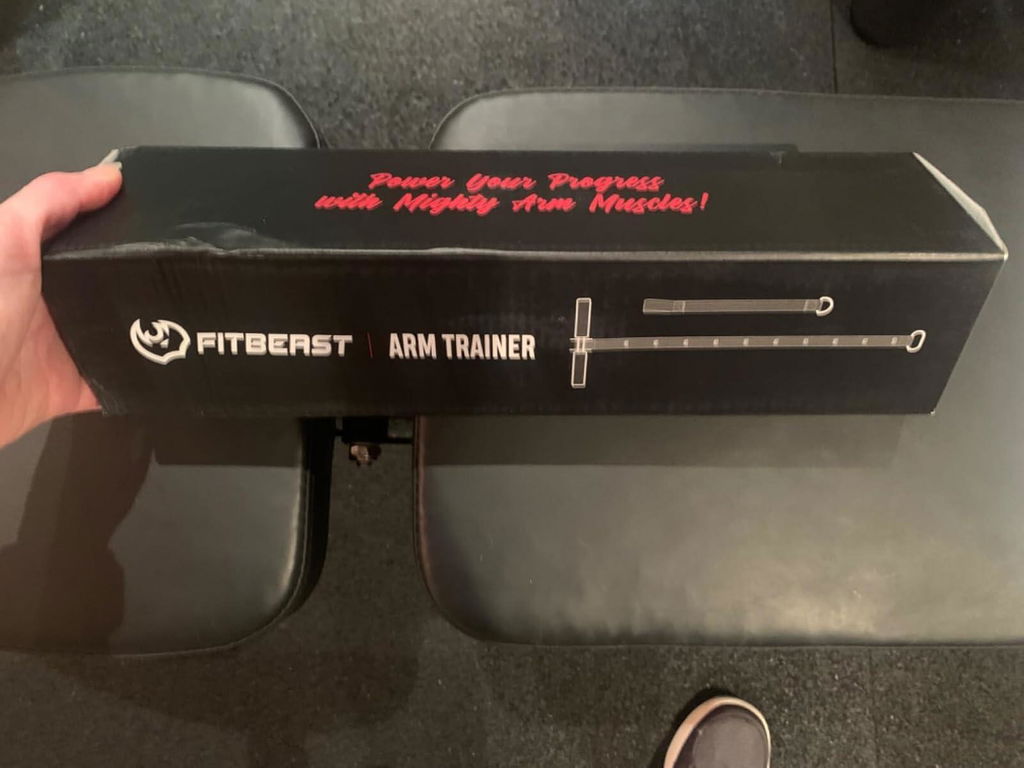
Pros: The handle grips a bigger around (thicker) than other versions I've seen. The texture on the grips gives your hands good traction, with or without gloves on. The extender strap is nice if you're going around something big, and if the extender makes the strap too long, you can just stand on a weight bench. The percentage marks on the strap was a surprise and made me chuckle, but I could see it being a legit need, like if you're counting reps and you can't quite get another full rep, you could record how close you got to completing that final rep. It comes with an instruction booklet that is well-written and has helpful images; it shows how to attach weights, how to use the extension, several exercise variations you can do and which muscles will be targeted. No sharp metal anywhere. Aluminum carabiner and D ring. Lightweight yet durable. It comes in a gift-able, attractive package.

Cons: None that I can think of. The only thing would be if any part of it breaks. It seems like solid construction so I don't think that's likely. But if it happens I'll come edit my review. I do wrist rollers almost every arm day, so this thing is about to get a lot of use.

Overall this is amazing and not just because it's replacing my homemade wooden dowel/parachute cord/climbing carabiner contraption that I've been using for years. Great value for the money imho. And a great gift idea.

User picture
E
FitBeast Forearm Strengthener & Forearm Exerciser, Wrist Roller with Thicker Handle
Eugene K.
Versatile

This is pretty handy for those forearm exercises you always neglected to do xD But honestly, this is versatile, and you can use this will all kinds of exercise equipment and even things around the house (backpack filled with bags of rice, water jugs, etc). COVID has made people look for exercise solutions at home, and this helps! there's a helpful instruction guide and an extra strap :)

User picture
W
FitBeast Forearm Strengthener & Forearm Exerciser, Wrist Roller with Thicker Handle
Wilkness
Simple and Very Effective

I've never tried one of these before, but have been having problems with my hands giving out before my back muscles on pull ups, so I thought I'd give this a try. I'm so glad I did. First couple sets with light weight absolutely you're me out. It will be great to be able to isolate those muscles to get them up to speed.

This particular unit is strong and well made. It's a simple design with quality materials and good stitching, so it'll probably last a long time. Large grip on the bar is definitely the way to go.

Highly recommend.

User picture
123